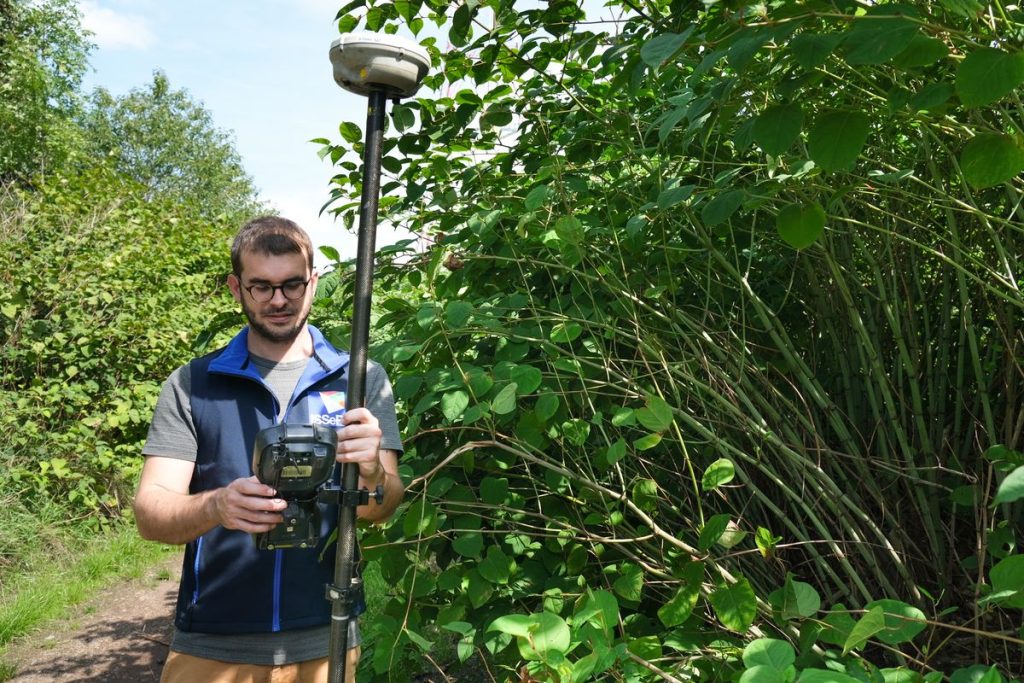
Asian knotweed is invading our environment and our living spaces. Found in large numbers at redevelopment sites, along roadsides, and on riverbanks, it is very difficult to eradicate once it has taken root on a site.
In addition to their impact on biodiversity, Asian knotweeds significantly complicate construction operations and earthwork, sometimes causing the costs of managing the plant and the underlying soil to skyrocket.
Long considered inevitable, efforts to combat the invasion were slow to get underway. But thanks to a proactive European initiative and the experience of other affected countries, technical solutions are emerging and the range of tools is expanding.
Recognizing that the key to combating this problem lies in the expertise of those involved, the ISSeP offers a training program that presents a range of technical solutions and best practices to ensure sustainable knotweed management at a controlled cost.
Technical Training Program (customizable as needed):
Technical Training Program (customizable as needed):
Overview of knotweed (origin, invasive nature, mode of spread);
Types of knotweed populations;
Identification and detection of the plant and its rhizomes;
Legal requirements (Wallonia – Europe);
Overview of available tools and documentation (CiEi, GRTGT, etc.)
Impact on construction sites (safety measures);
Knotweed in earthworks (traceability, AI-based management)
Methods for managing existing knotweed patches on construction sites;
Methods for recycling soil lots affected by knotweed at receiving sites;
Technical outlook.
Target audience:
Project owners – Project managers
Experts in contaminated soil management
Redevelopment project managers
Soil and aggregate recyclers
Municipal authorities and public agencies
Architects, surveyors
Construction site managers
Translated with DeepL.com (free version)
Contacts :
- Amandine Starren (a.starren@ISSeP.be – 04/2298337)
- Simon Garzaniti (s.garzaniti@issep.be – 04/2298359)